Common Health Issues in Senior Dogs and How to Manage Them
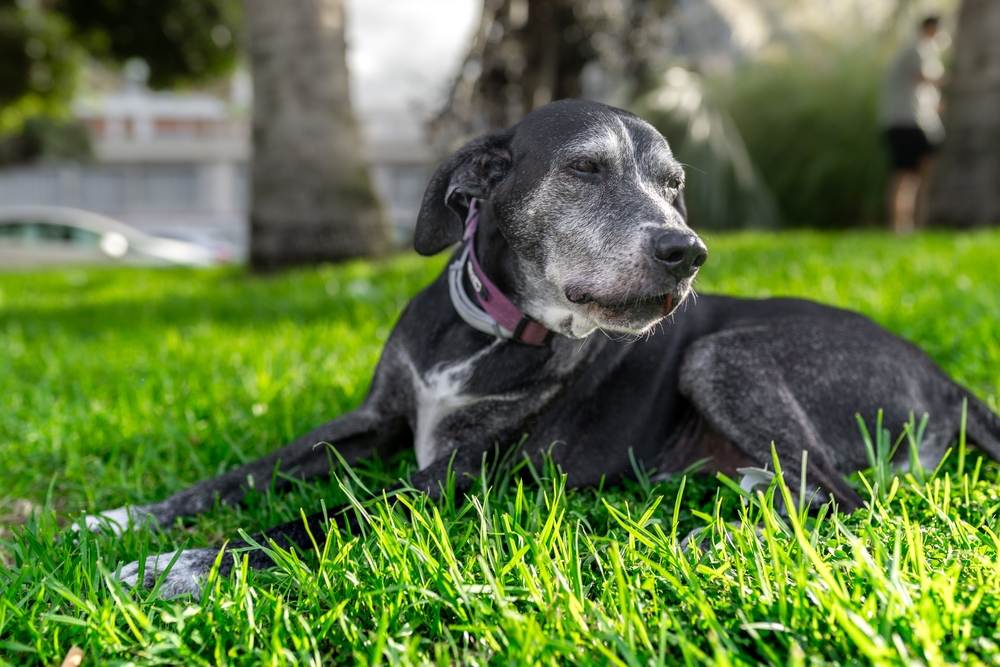
At first, you notice small changes. Your dog takes longer to get up from bed. Walks that used to be long become shorter and more careful. Sometimes, your dog seems confused where they used to be sure. Seeing your friend grow older brings both love and concern.
You can be sure that these changes are a normal part of growing old.
Your First and Most Important Job: Noticing
You know your dog better than anyone. If you notice changes in their eating, new stiffness in the morning, or a different sleep pattern, these are important clues. Trust your instincts. Work closely with your vet, because their regular checkups will catch small issues before they escalate.
Helping With Joint Stiffness
If your dog moves with extra care or pauses at the stairs, achy joints could be the reason. One of the best ways to help them here is by keeping their weight in check. You should also offer them a cozy bed in a warm spot, and choose gentle, shorter walks to keep them moving comfortably.
Understanding Weight Changes
Aging brings changes to your dog’s metabolism. Some pups pack on pounds, while others slim down without warning. Talk to your vet about the right senior diet and portions. Unexplained weight loss could signal dental pain or another hidden issue.
Caring for Their Smile and Comfort
Bad breath in older dogs is often a sign of trouble. It may mean your dog has sore gums or infected teeth, which can make eating difficult. If your dog lets you, brush their teeth and use dental chews. Most importantly, have your vet check their mouth regularly. Professional cleanings can prevent pain and keep your dog healthy.
Supporting Fading Senses
Your dog’s vision and hearing may fade with age. They might bump into things or be startled when you come near. Help them by keeping your home layout the same and not moving their bed or food bowl. If your dog has trouble hearing, use a gentle touch or wave to get their attention before petting. Always approach from the front.
Soothing a Sensitive Stomach
Older dogs often have more sensitive stomachs. You might notice more gas or softer stools. Switching to a senior food that is easy to digest can help. Feeding smaller, more frequent meals is better than giving one big meal. If you see sudden or serious changes, call your vet right away.
Recognizing Changes in Their Thinking
As dogs get older, their minds can change, too. Your dog might walk around at night, get confused in places they know, or have accidents in the house. Keeping a steady routine for meals, walks, and bedtime can help them feel safe. Simple puzzle toys can keep their mind busy. Your vet can suggest ways to support brain health with special diets or supplements.
Your caring attention will help your old friend feel safe and loved at every stage of life. This sense of comfort is the best gift you can offer.
To learn more about common health issues in senior dogs, visit Sugar Land Veterinary Clinic in Sugar Land, Texas. Call (281) 800-9003 to schedule an appointment.
https://www.petmd.com/dog/general-health/health-issues-look-when-you-have-older-dog
https://www.banfield.com/Senior-hub/common-health-issues-in-senior-pets
Quick Links

Services
Learn More
Keep
In Touch

Contact Information
Hours of Operation
- Monday 7:30 AM - 6:00 PM
- Tuesday 7:30 AM - 6:00 PM
- Wednesday 7:30 AM - 6:00 PM
- Thursday 9:30 AM - 6:00 PM
- Friday 7:30 AM - 6:00 PM
- Saturday *Closed
*Open 3rd Saturday of the Month, 9:00 AM - 1:00 PM - Sunday Closed
© 2025 Sugar Land Veterinary Clinic. All rights Reserved. Accessibility Statement - Privacy Policy - Sitemap
Powered by: