Digestive Issues in Pets: When Vomiting or Diarrhea Needs Veterinary Care
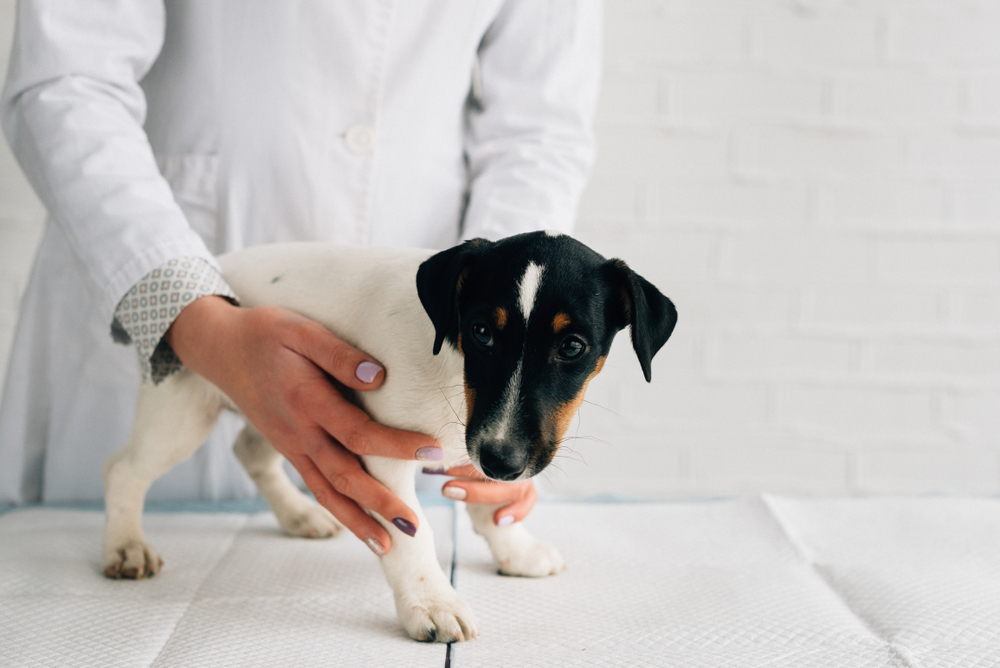
Watching your dog or cat get sick is always worrying. They might be playful one moment, then suddenly start vomiting or have diarrhea. It is messy and stressful, and you may wonder if you can handle it at home or if your pet needs to see a vet right away.
Vomiting and diarrhea are among the top reasons pet owners visit emergency clinics. Sometimes, these symptoms are caused by a mild stomach upset from eating something unusual. Other times, they can be signs of a more serious problem.
It is important to know the difference. Here are the signs that tell you when to act.
Check How Serious It Really Is
Take a moment to breathe and observe your pet carefully. Watch for signs that show how sick they might be.
If your pet only vomits once or twice or has slightly soft stool but still drinks water, responds to you, and seems interested in their surroundings, it is likely a mild case. These usually improve within 24 hours as their digestive systems settle.
Serious cases are different. Your pet might vomit three or more times a day. Diarrhea could be watery, frequent, or bloody. They may seem very tired, refuse water, or show pain, such as a hunched back or whining when you touch their belly. These are warning signs.
When to Call the Vet Immediately
Some symptoms always mean it’s time to call the vet. If you see any of these, don’t wait:
- Blood in vomit or stool. This signals internal bleeding or severe inflammation and needs prompt attention.
- Repeated vomiting. If your pet vomits three or more times in 24 hours, they can become dehydrated quickly.
- Extreme lethargy. If your pet will not get up, seems very weak, or collapses, treat it as an emergency.
- Refusing water. Dehydration can happen quickly, especially in puppies, kittens, and older pets.
- A swollen, painful belly. This might mean a serious problem like bloat or a blockage.
- Known ingestion of something harmful. If your pet ate something toxic or a foreign object, call immediately, even if symptoms seem mild at first.
Young puppies, kittens, or senior pets with health problems should see a vet sooner than healthy adult pets. They have less strength and can get worse quickly.
What to Do While You Decide
If you are not sure whether your pet needs a vet, keep a close eye on them and try some steps at home.
· Withhold food. Do not feed your pet while they are vomiting. Feeding too soon can cause more vomiting. Give their stomach a few hours to settle.
· Offer small sips of water. Dehydration is the main risk. For small pets, give a tablespoon every 30 minutes. For large pets, offer a few tablespoons. If vomiting gets worse, stop and call your vet. Never force your pet to drink.
· Keep your pet calm and comfortable in a quiet place away from distractions. Stress can make nausea worse. Speak softly and move gently around them.
· Call a clinic. If you are unsure, it is always okay to call. Describe your pet’s symptoms, how often they happen, and when they started. The staff can tell you if you should come in or keep watching your pet, and they can guide you to emergency care if needed.
What the Vet Will Do
At the clinic, the veterinary team will ask questions, examine your pet, and may run some tests. Fecal tests check for parasites. Bloodwork checks organ function and hydration. X-rays or ultrasound can help find blockages or other issues.
Treatment depends on what the vet finds. Mild cases usually need fluids and a bland diet. Infections or parasites are treated with medication. Serious problems like blockages or pancreatitis might need hospitalization or surgery.
For more on pet digestive issues, visit Sugar Land Veterinary Clinic in Sugar Land, Texas. Call (281) 800-9003 to book an appointment.
https://www.gsvs.org/staten-island-ny/blog/dog-vomiting-diarrhea-emergency/
Quick Links

Services
Learn More
Keep
In Touch

Contact Information
Hours of Operation
- Monday 7:30 AM - 6:00 PM
- Tuesday 7:30 AM - 6:00 PM
- Wednesday 7:30 AM - 6:00 PM
- Thursday 9:30 AM - 6:00 PM
- Friday 7:30 AM - 6:00 PM
- Saturday *Closed
*Open 3rd Saturday of the Month, 9:00 AM - 1:00 PM - Sunday Closed
© 2025 Sugar Land Veterinary Clinic. All rights Reserved. Accessibility Statement - Privacy Policy - Sitemap
Powered by: