Microchipping Your Pet in Sugar Land: How It Works and Why Collar Tags Aren't Enough
Microchipping Your Pet in Sugar Land: How It Works and Why Collar Tags Aren't Enough
A collar and identification tag are important parts of keeping your pet safe. However, collars can slip off, tags can become difficult to read, and identification information can become outdated. Pet microchipping provides a permanent form of identification that can help reunite you with your dog or cat if they become lost.
For pet owners in Sugar Land, microchipping offers added protection whether a pet escapes through an open gate, becomes frightened during a storm, or gets separated from the family while traveling.
How Pet Microchipping Works
A pet microchip is a small electronic device about the size of a grain of rice. It is placed beneath the skin, usually between the shoulder blades, using a syringe. The procedure takes only a few seconds and generally does not require anesthesia or sedation. Most pets experience minimal discomfort and can return to their usual activities immediately.
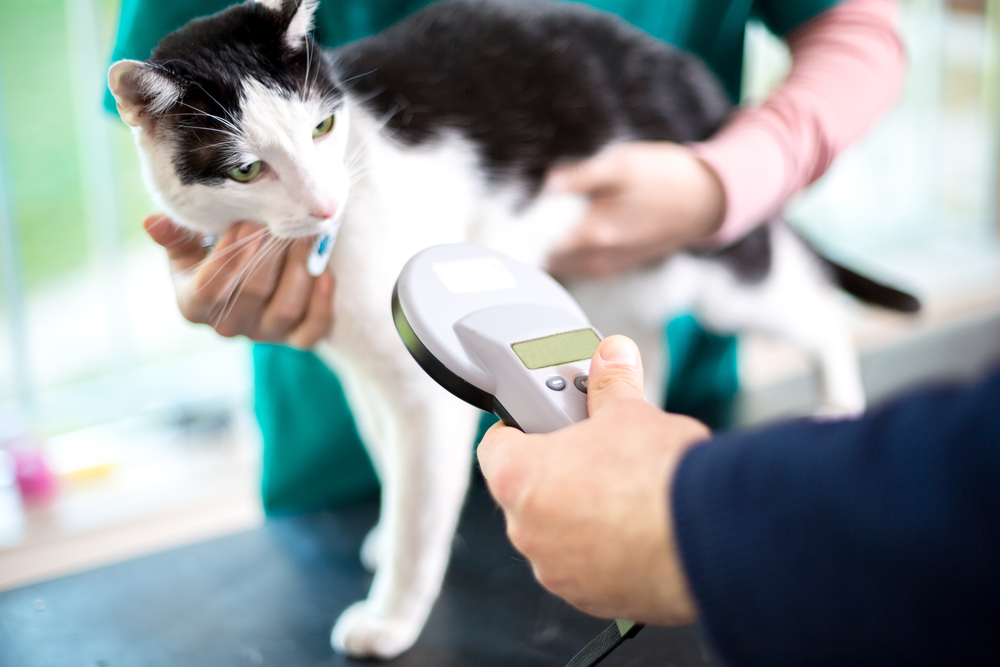
Each microchip contains a unique identification number. It does not contain GPS technology or continuously track your pet's location. When a veterinary clinic or animal shelter scans the chip, the scanner displays the identification number. Staff can then contact the appropriate microchip registry to locate the owner's registered information.
Why Collar Tags May Not Be Enough
Collar tags provide immediate access to your phone number, making them useful when a neighbor or nearby resident finds your pet. However, they are not a permanent form of identification. Microchips and collar tags work best when used together.
A collar or tag may fail to identify your pet if:
• The collar breaks or slips off
• The tag becomes scratched or unreadable
• Your phone number is no longer current
• Someone removes the collar
• Your pet is found without any visible identification
A microchip remains beneath your pet's skin, providing a reliable backup when visible identification is missing. This additional protection can be especially valuable for active dogs, indoor cats that unexpectedly escape, and pets that travel outside Sugar Land.
Registering and Updating the Microchip
Implanting the microchip is only the first step. The identification number must be registered with your current name, address, phone number, and other requested contact details. Without accurate registration information, a shelter or veterinary team may find the chip but have difficulty reaching you.
Update the registry whenever you move, change phone numbers, or transfer ownership of a pet. It is also helpful to ask your veterinary team to scan the microchip during routine wellness visits to confirm that it can still be detected.
When Should Your Pet Be Microchipped?
Dogs and cats can be microchipped during a routine veterinary appointment. The procedure may also be performed while a pet is already under anesthesia for a spay, neuter, or another scheduled procedure. Puppies, kittens, adult pets, and newly adopted animals can all benefit from permanent identification.
Schedule your pet's microchipping appointment with Sugar Land Veterinary Clinic to provide dependable identification. Visit our office in Sugar Land, TX, or call (281) 800-9003 today.
Quick Links

Services
Learn More
Keep
In Touch

Contact Information
Hours of Operation
- Monday 7:30 AM - 6:00 PM
- Tuesday 7:30 AM - 6:00 PM
- Wednesday 7:30 AM - 6:00 PM
- Thursday 9:30 AM - 6:00 PM
- Friday 7:30 AM - 6:00 PM
- Saturday *Closed
*Open 3rd Saturday of the Month, 9:00 AM - 1:00 PM - Sunday Closed
© 2025 Sugar Land Veterinary Clinic. All rights Reserved. Accessibility Statement - Privacy Policy - Sitemap
Powered by: